

How Solar Panels Work
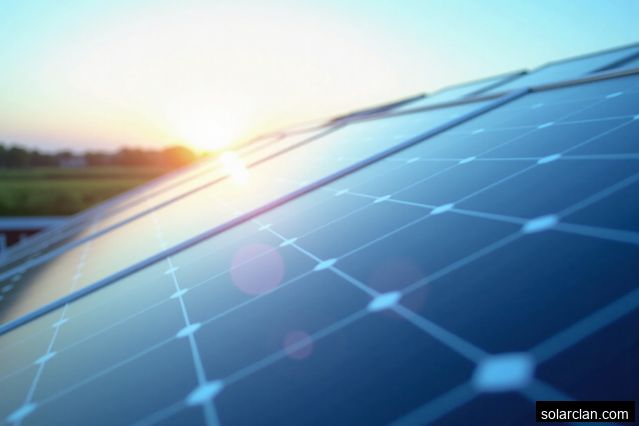
Solar panels work by converting sunlight into usable electricity through a process called the photovoltaic effect. This effect occurs when sunlight hits the solar cells within the panel, which are made of semiconductor materials such as silicon. The photons in sunlight excite the electrons in the atoms of the semiconductor, creating electricity. This direct current (DC) electricity is then converted to alternating current (AC) through an inverter, making it suitable for powering homes and businesses.
Efficiency and Performance
The efficiency of solar panels has significantly improved over the years, with modern panels converting sunlight into electricity at an impressive rate. The performance of solar panels can be influenced by factors such as the angle and orientation of the panels, shading, and temperature. However, advancements in technology and installation techniques have minimized these impacts, allowing solar panels to generate electricity even on cloudy days or in less sunny regions.
Benefits of Solar Panels
Solar panels offer numerous benefits for individuals, businesses, and the environment:
1. Renewable and Sustainable Energy
Solar energy is a renewable and sustainable energy source. Unlike fossil fuels, which are finite and contribute to climate change, sunlight is inexhaustible and does not produce harmful emissions during energy generation. By installing solar panels, individuals can reduce their reliance on non-renewable energy sources and contribute to a cleaner and greener future.
2. Cost Savings
One of the significant advantages of solar panels is the potential for cost savings. While the initial investment may seem high, solar panels can significantly reduce or eliminate monthly electricity bills. With proper installation and maintenance, solar panels can generate electricity for several decades, offering long-term savings.
3. Energy Independence
Solar panels provide individuals with a sense of energy independence. By generating their own electricity, homeowners and businesses are less reliant on the power grid, which can be vulnerable to outages or price fluctuations. Solar panels also provide a reliable source of electricity in remote areas where connecting to the grid may not be feasible.
Environmental Impact
Solar panels have a positive environmental impact:
1. Reduced Carbon Footprint
Solar panels help reduce carbon emissions by producing clean electricity. By switching to solar energy, individuals can contribute to combating climate change and reducing air pollution.
2. Conservation of Resources
Solar panels reduce the demand for non-renewable resources such as coal, oil, and natural gas. By relying on the sun's energy, individuals help conserve these resources for future generations.